

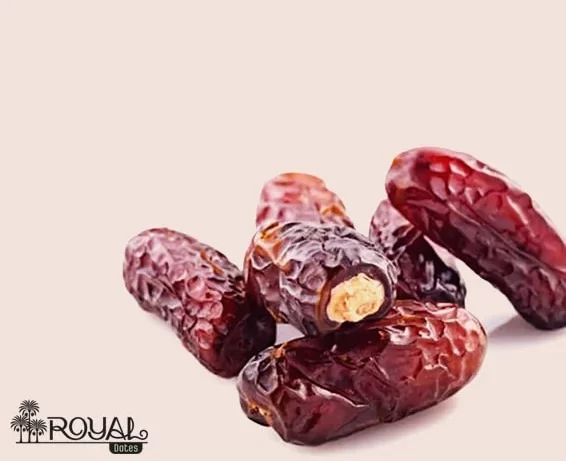


In addition to their wonderful taste, Irani dates have many health benefits. Dates are one of the agricultural products of Iran that are highly valued for their rich taste and countless nutritional benefits. With its diverse climate, fertile soil, and long history of date cultivation, Iran has become one of the top producers and exporters of dates in the world. The date industry, with an annual production of over one million tons, plays a significant role in the country’s agricultural economy.
On the other hand, its cultural importance cannot be ignored. These sweet and nutrient-rich fruits are not only a staple of the Iranian diet, but also play an important role in their religious and traditional ceremonies. Let’s take a closer look at the characteristics and characteristics of dates in Iran:
Iran; The Land of Dates Diversity
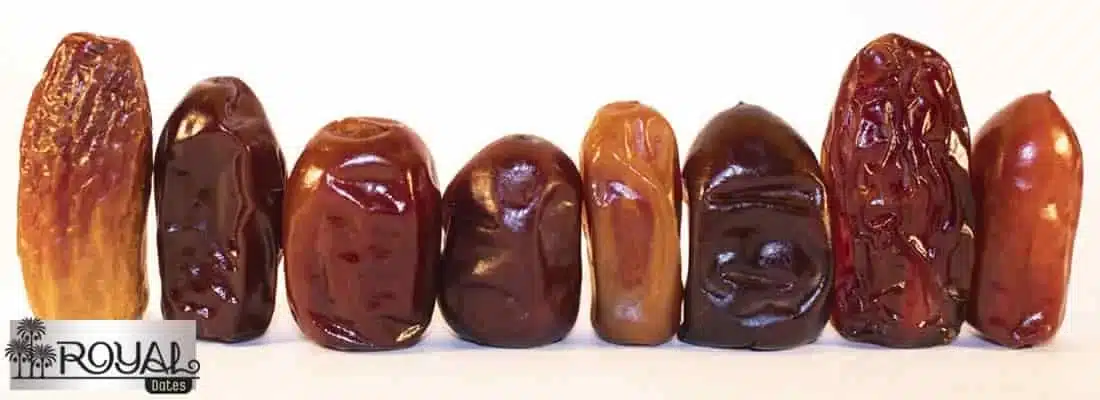
With around 400 different types of dates, Iran grows and produces over 1.3 million tons of dates annually. The most popular Irani dates include Mazafati, Piarom, Zahedi, Rabi and Kabkab. Each has its own unique taste, texture and sweetness:
- Mazafati: Soft and juicy
- Zahedi: golden and firm, dry and chewy
- Piarom: Semi-dry and caramel-like taste
- Rabbi: Soft and syrupy
- Kabkab: Large and very sweet
Mazafati Irani Dates; A Delight from Bam
As mentioned above, one of the most famous types of Irani dates is the Mazafati date, which grows in the Bam region of Kerman province. These dates are dark, soft, and incredibly sweet. The high moisture content of this fruit makes it incredibly juicy and delicious.
Thousand-Years History of Date Palm Cultivation
The date palm has been cultivated in Iran for thousands of years, dating back to ancient times. Archaeological findings show that dates have been grown in this region since 4000 BC. Therefore, dates are one of the oldest cultivated fruits in human history. This wonderful fruit has been a staple in the cuisine and culture of many countries, especially Iran, for thousands of years.
Nutritional Powerhouse
- Natural sugars that produce and provide a lot of energy for the body.
- Fiber that has a very good effect on digestion.
- Potassium, magnesium and iron
- Antioxidants that have anti-inflammatory properties.
Importance of Dates in Iran Culture and Traditions
The date fruit is deeply rooted in Iranian traditions. Dates are usually served at religious ceremonies, weddings, and even mourning ceremonies. Iranian traditions associated with dates include the following:
🔹Dates are one of the most important symbols of hospitality in Iran. Iranians often serve dates with tea to welcome guests.
🔹Also, according to the old tradition, they have been consuming dates during Ramadan and for iftar. Because dates can quickly restore the body’s lost energy.
🔹In ancient Iran, as well as today, the medicinal properties of dates were well known. Hence, they were used in traditional treatments.
🔹Even in the ceremonies related to Nowruz, which is the Iranian New Year, dates are included in traditional foods and offerings.
Major Dates Producer and Exporter
Iran has long been one of the top three date producers in the world, along with Egypt and Saudi Arabia. Due to its quality and large number of customers around the world, Irani dates are exported to more than 80 countries, including India, Malaysia, Russia, and European countries.
The most important reason for their popularity abroad is their high quality, organic farming practices, and wide variety. Among all types of Iranian dates, Mazafati and Piarom dates are particularly popular in global markets.
Eco-Friendly and Sustainable Date
Palms are well suited to Iran’s dry climate. They require minimal water compared to other fruit crops, making them a sustainable option in drought-prone areas. These trees can live for over 100 years and continue to produce fruit year after year.
Date Palm; The Tree of Life
In Iran, the date palm is generally called the “Tree of Life”. Because every single part of this tree is useful and practical:
- Its fruit, which is used as a useful and delicious food.
- Its leaves are used to weave various baskets, mats and other products.
- The strong wood of its trunk is used for the construction of wooden products or as fuel.
- And even products such as sugar and vinegar are prepared from its sap.
Irani Dates Festivals
It is interesting to know that in several regions of Iran, such as the cities of Bam and Jiroft, a date festival is held during the date harvest season, which is generally around August to September. In these festivals, farmers present their best products and visitors can experience fresh, high-quality dates.
Innovative Uses
In Iran, dates, in addition to being commonly consumed as a fruit, have many other uses in the Iranian diet and cuisine. For example, they are used to prepare a variety of products such as syrup, sugar, dates paste, dates syrup, and even vinegar. Some of them are even used in traditional medicine. Because in traditional Iranian medicine, it is believed that dates greatly aid digestion, reduce inflammation, and strengthen the immune system. In addition, this fruit is used to cook some traditional and local dishes such as rice with dates.
Organic and Sustainable Agriculture
Many farmers use traditional and organic methods to cultivate dates. So, they avoid excessive use of chemicals. This makes Iranian dates a preferred choice for conscious consumers.
Irani dates are not only a delicious fruit, but also a vital part of the country’s agricultural heritage. With their rich flavor, health benefits, and cultural significance, they remain a cherished export and a popular snack around the world.